
المدن الإندونيسية الأكثر ازدحامًا في 2024: باندونغ تتصدر وجاكرتا تتراجع
Indonesia's Most Congested Cities: Bandung, Jakarta on Top

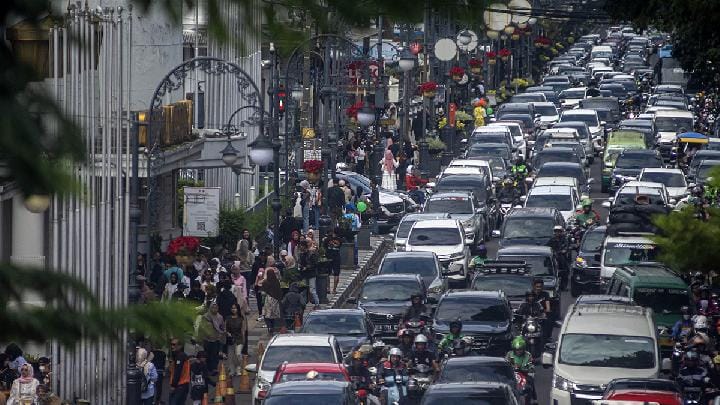
جاكرتا، إندونيسيا اليوم – كشف مؤشر توم توم للمرور عن قائمة المدن التي تعاني من أعلى مستويات الازدحام المروري في إندونيسيا. وعلى غير المتوقع، لا تحتل جاكرتا المرتبة الأولى، بل تقدمت باندونغ لتتربع على عرش المدن الأكثر ازدحامًا في البلاد.
إقرأ أيضا : اكتشفوا لمبور كاتومبيري، القرية الملونة الأيقونية في منطقة داغو بمدينة باندونغ
ويعتمد مؤشر توم توم للمرور على تحليل دقيق لظروف المرور في أكثر من 500 مدينة عبر 62 دولة، حيث يُقيّم متوسط وقت السفر ومستويات الازدحام في كل مدينة. ويعتمد التقرير على بيانات ضخمة تم جمعها من “نظام بيانات السيارات العائمة”، الذي يستمد معلوماته من أجهزة الملاحة النشطة في المركبات المختلفة المنتشرة بالشوارع.
في عام 2024 فقط، سجلت توم توم نحو 737 مليار كيلومتر من السفر كعينة تحليلية شاملة. وتستند عملية التقييم لكل مدينة إلى مزيج بين العوامل الثابتة — مثل جودة البنية التحتية للطرق وحدود السرعة — والعوامل الديناميكية، بما فيها كثافة المرور، مشاريع البناء، والظروف الجوية التي قد تؤثر على حركة السير.
وفي تقرير مؤشر توم توم للمرور لعام 2024، استندت الشركة الهولندية إلى 12 مؤشرًا رئيسيًا لقياس مدى الازدحام بشكل موضوعي وموحد عبر مختلف مدن العالم. شملت هذه المؤشرات: وقت السفر لكل كيلومتر، مستويات الازدحام، إجمالي مسافة المركبات، الوقت الضائع في الزحام، الوقت الضائع سنوياً، وقت السفر خلال ساعات الذروة يومياً وسنوياً، ساعات الذروة الصباحية والمسائية، أنماط القيادة الأسبوعية، الوقت الفعلي لكل 10 كيلومترات، متوسط وقت السفر استناداً للبيانات التاريخية، وعدد وطول الزحامات النشطة.
وبناءً على هذه البيانات، استطاعت باندونغ أن تتصدر المشهد الوطني، بل وجاءت في المركز الثاني عشر عالميًا لأطول متوسط وقت سفر. فقد بلغ متوسط وقت السفر في باندونغ لمسافة عشرة كيلومترات نحو 32 دقيقة و37 ثانية، فيما وصل معدل الازدحام فيها إلى 48 في المائة، مع ضياع ما يعادل 108 ساعات سنوياً بسبب الزحام خلال فترات الذروة.
إقرأ أيضا : جوكجاكرتا مدينة السلام والتاريخ
وفيما يلي قائمة بأكثر خمس مدن إندونيسية مع أطول متوسطات لوقت السفر لمسافة 10 كيلومترات في ضوء آخر إحصائيات توم توم:
- باندونغ: 32 دقيقة و37 ثانية.
- ميدان: 32 دقيقة و3 ثوانٍ.
- باليمبانغ: 27 دقيقة و55 ثانية
- سورابايا: 26 دقيقة و59 ثانية
- جاكرتا: 25 دقيقة و31 ثانية
ما الذي يقف خلف تفاقم الازدحام المروري؟
الازدحام المروري لا يعود فقط لكثرة المركبات على الطرقات. إذ تشير دراسة بعنوان “تحليل عاملي تأكيدي للمواقف المعرفية لمستخدمي الطريق تجاه العوامل المساهمة في الازدحام المروري” إلى أن هذا الازدحام نتاج عدة عوامل يمكن تصنيفها إلى فئتين: العوامل الجزئية والعوامل الكلية.
ويوضح تقرير المؤتمر الأوروبي لوزراء النقل أن مشكلة الازدحام “تنشأ على المستوى الجزئي، لكنها مدفوعة على المستوى الكلي”، ما يعني أن المسألة لا تعود فقط لهندسة المرور.
تشمل العوامل الجزئية ما يحدث فعلياً على الطرق من حوادث، إشارات مرور، وسلوكيات مستخدمي الطرق. فيما تتعلق العوامل الكلية بقضايا أوسع مثل النمو السكاني، أنماط العمالة، تنظيم استخدام الأراضي، والأنشطة الاقتصادية.
إقرأ أيضا : الأسواق التقليدية في جاكرتا
وقد أظهر تحليل الانحدار والارتباط للباحثين كولاك وواش أن معدلات السكان المتزايدة والأنشطة الاقتصادية تسهم بشكل كبير في كثافة المرور. في الوقت نفسه، يحدد مجلس أبحاث النقل سبعة أسباب رئيسية للازدحام: أنظمة التحكم في المرور، الحوادث، تقلب الطلب على النقل، الطقس، الفعاليات الخاصة، القدرة غير الكافية للبنية التحتية، ومناطق العمل. وتؤكد التقارير أن هذه العوامل غالباً ما تتداخل وتتضاعف لتزيد من حدة الزحام.
بدورها، صنفت الإدارة الفيدرالية للطرق السريعة الأسباب الرئيسية للزحام إلى ثلاث مجموعات: “الأحداث المؤثرة على التدفق المروري مثل الطقس وأعمال البناء؛ تقلب الطلب المروري؛ والمواصفات المادية للطريق كبوابات الرسوم والإشارات والمفترقات”.
وتعزز دراسات أفرين ويودو هذه النتائج، مشيرة إلى أن بنية الطرق غير الكافية، وتقلبات تدفق حركة السير، واختناقات الطرق، وسوء نظم الإشراف المروري، وسوء الأحوال الجوية والحوادث الطارئة، كلها تزيد من تعقيد الزحام.
وفي دراسة أخرى أجراها تشيدي وإيديه، اتضح أن سوء حالة الطرق، قلة مرافق وحلول مواقف السيارات، الوقوف العشوائي، ووفرة المركبات الثقيلة كالناقلات والشاحنات، عوامل تؤدي لتفاقم الوضع.
أما في أكرا، غانا، فقد وجدت دراسة أجيمانغ أن تزايد المركبات، النمو الاقتصادي، وفوضى استخدام الأرض واستخدام النقل الجماعي التقليدي، كلها تلعب دوراً رئيسياً في الازدحامات. فيما أضيف في دراسات أجيبونغ وأوجو أن مواقف مستخدمي الطريق من سائقين وباعة ومشاة، إضافة إلى سوء تصميم الطرق وتكرار الحوادث، كلها تعمق من أزمة الزحام في المدن المركزية.
تابع الأخبار والمقالات الأخرى على قناة واتساب
نبيلة | إندونيسيا اليوم | تيمبو
JAKARTA, INDONESIA ALYOUM – TomTom Traffic Index has released a list of cities with the highest level of traffic congestion in Indonesia. It’s worth noting that Jakarta is not sitting at the top, as Bandung takes the spot as the most congested city in the country.
The TomTom Traffic Index analyzed traffic conditions in over 500 cities across 62 countries. The index assessed the average travel time and congestion levels in a city. The data used was sourced from the floating car data (FCD) system, which gathers information through various active vehicle navigation devices.
Throughout 2024, TomTom recorded at least 737 billion kilometers of travel as the sample for analysis. Each city is evaluated based on a combination of static factors—such as road infrastructure and speed limits—and dynamic factors, such as traffic density, construction projects, and weather conditions.
In the TomTom Traffic Index 2024 report, the Dutch company uses 12 main indicators to objectively and consistently measure the level of congestion in various cities around the world.
These indicators include travel time per kilometer, congestion levels, total vehicle distance, time lost in congestion, time lost per year, travel time during peak hours per day, travel time during peak hours per year, peak morning and evening hours, driving patterns on a weekly basis based on time, actual travel time per 10 kilometers in real-time, average travel time based on historical data, and the number of active congestion and the length of the queues.
Based on these results, Bandung tops the national level and ranks 12th for the longest average travel time in the world. The average travel time for 10 kilometers in Bandung is recorded at 32 minutes and 37 seconds. The congestion rate in the city reaches 48 percent, with a total of 108 hours wasted due to traffic congestion during rush hours each year.
Below is the list of the five cities in Indonesia with the longest average travel time for a distance of 10 kilometers, based on the latest data from TomTom:
1. Bandung: Average travel time: 32 minutes 37 seconds
2. Medan: Average travel time: 32 minutes 3 seconds
3. Palembang: Average travel time: 27 minutes 55 seconds
4. Surabaya: Average travel time: 26 minutes 59 seconds
5. Jakarta: Average travel time: 25 minutes 31 seconds
What prompts traffic congestion?
Traffic congestion is not caused solely by the volume of vehicles on the road. Citing a journal titled “A Confirmatory Factor Analysis of Road Users’ Cognitive Attitudes Towards Contributing Factors of Traffic Congestion,” several factors contribute to congestion, which can be grouped into two main categories: micro-level and macro-level factors.
This was revealed in the European Conference of Ministers of Transport (ECMT) report, which stated that congestion is “triggered at the micro-level but driven at the macro-level, which means the congestion problem is not entirely a traffic
engineering problem.”
The micro factors refer to things that happen directly on the road, such as traffic incidents, traffic signal regulations, and road user behavior. Meanwhile, macro factors encompass broader issues, such as population, employment pattern, land use pattern, and economic activities.
In their regression and correlation analysis, Kolak and Wach found that the increase in population and economic activities also affects traffic density. Meanwhile, the Transportation Research Board identified seven main causes of congestion: traffic control devices, traffic incidents, fluctuations in demand, weather, special events, inadequate base capacity, and work zones. According to the report, these seven factors often interact with each other and worsen traffic congestion.
Furthermore, the Federal Highway Administration categorized these causes into three major groups: events that affect traffic flow, such as weather and construction work; fluctuating traffic demand; and physical road features, such as intersections, toll booths, and traffic signs.
Additional research by Afrin and Yodo reinforced these findings. They stated that congestion could be caused by inadequate infrastructure, traffic flow variations, road bottlenecks, weak traffic regulation systems, bad weather, and unexpected incidents such as accidents or major events.
Meanwhile, a study conducted by Chidi and Ideh underscored that poor road conditions, lack of parking facilities, indiscriminate parking, and the abundance of heavy vehicles such as trucks worsen traffic situations.
In Accra, Ghana, a study by Agyemang also found that the increase in the number of vehicles, economic development, unregulated land use, and the use of local public transport such as trotros are the main causes of traffic congestion. In another study, Agyapong and Ojo added that road user attitudes, like those of drivers, vendors, and pedestrians, and poor road design and frequent accidents also worsen congestion in city centers.
NABILAH | INDONESIA ALYOUM | TEMPO