

سلطان بن أحمد يعلن تأسيس «مركز جواهر القاسمي للابتكار الإنساني» في إندونيسيا بتمويل يبلغ ١،٦ مليون دولار
Sultan bin Ahmed Announces Establishment of Jawaher Al Qasimi Humanitarian Innovation Centre in Indonesia With $1.6M Funding

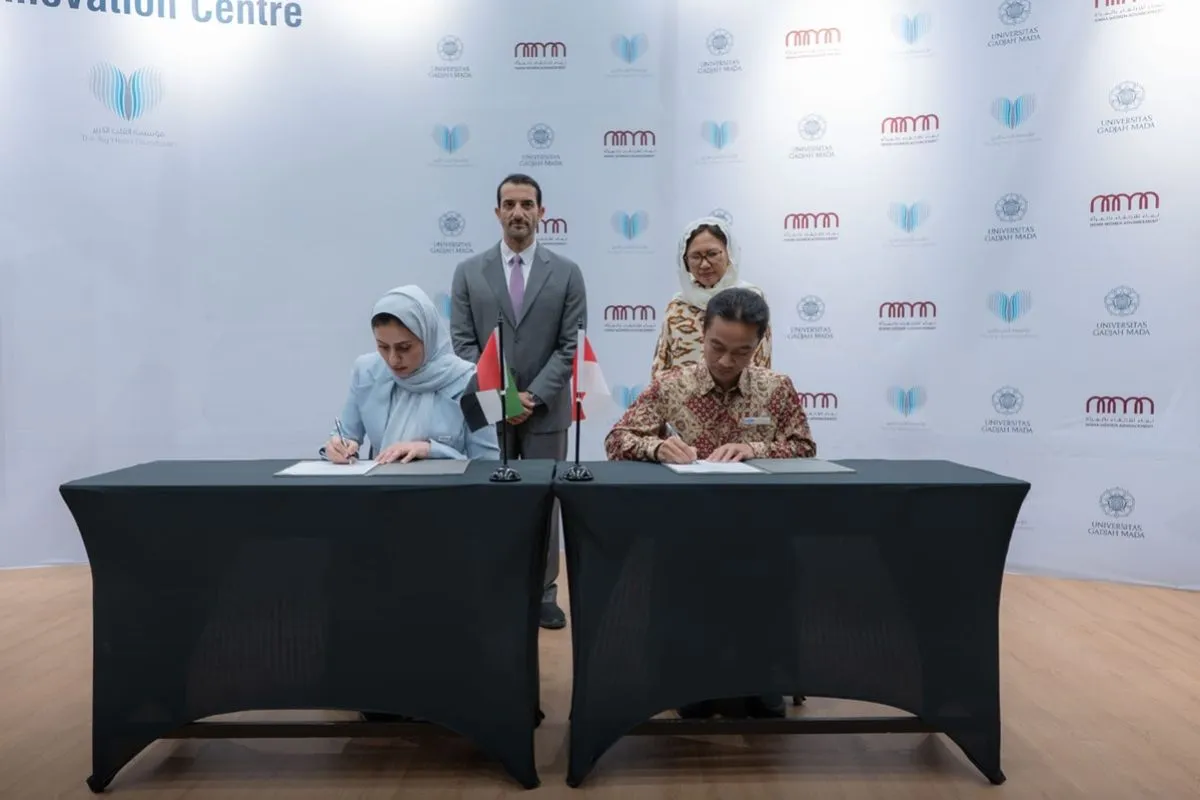
- أعلن الشيخ سلطان بن أحمد القاسمي تأسيس «مركز جواهر القاسمي للابتكار الإنساني» في جامعة غادجاه مادا بإندونيسيا، بتمويل يبلغ مليونًا و٦٠٠ ألف دولار أميركي، بالشراكة مع مؤسسات إماراتية وإندونيسية.
- يهدف المركز إلى ربط البحث الأكاديمي بالعمل الميداني لتطوير حلول للتحديات الإنسانية، ويضم «مختبرًا إنسانيًا حيًا» ممتدًا على مساحة هكتارين لدعم الأمن الغذائي والزراعة المستدامة.
- جاء الإعلان ضمن جولة واسعة لوفد مؤسسة «القلب الكبير» في عدة أقاليم ومحافظات إندونيسية، شهدت تفقد مشاريع للتمكين الأسري، ودعم المزارعات، ومبادرة لتوفير السكن الملائم لذوي الإعاقة والمحتاجين.
يوغياكارتا، إندونيسيا اليوم – أعلن الشيخ سلطان بن أحمد بن سلطان القاسمي، نائب حاكم الشارقة والمبعوث الإنساني لمؤسسة «القلب الكبير»، تأسيس «مركز جواهر القاسمي للابتكار الإنساني» في جامعة غادجاه مادا في مدينة يوغياكارتا الإندونيسية، بتمويل إجمالي يبلغ مليونًا و٦٠٠ ألف دولار أميركي.
ويهدف المركز إلى الربط بين البحث الأكاديمي والابتكار من جهة، والخبرات الميدانية الإنسانية من جهة أخرى؛ سعيًا لتطوير استجابات عملية للتحديات الإنسانية، واختبارها وتطبيقها على أرض الواقع.
ويأتي تأسيس هذا الصرح ثمرة شراكة استراتيجية تجمع مؤسسة «القلب الكبير»، ومؤسسة «نماء» للارتقاء بالمرأة، وجامعة غادجاه مادا، حيث تساهم «القلب الكبير» بمليون دولار، وتقدم «نماء» ٥٠٠ ألف دولارٍ، في حين تشارك الجامعة بمبلغ ١٠٠ ألف دولارٍ.
وجاء هذا الإعلان على هامش زيارة وفد من مؤسسة «القلب الكبير» إلى إندونيسيا برئاسة الشيخ سلطان، في إطار مساعي المؤسسة لتوسيع نطاق شراكاتها الإنسانية والتنموية.
وأكد الشيخ سلطان أن القيمة الحقيقية للمعرفة تتجلى عندما تتجاوز أسوار المؤسسات الأكاديمية لتُسخر في خدمة البشر وتلبية احتياجاتهم.
وأشار إلى أن الاستثمار في الإنسان والتعليم والثقافة يمثل ركيزة أساسية في مسيرة التنمية التي تشهدها إمارة الشارقة، وذلك في ضوء رؤية الشيخ الدكتور سلطان بن محمد القاسمي، عضو المجلس الأعلى حاكم الشارقة، والعمل الإنساني الذي تقوده قرينته الشيخة جواهر بنت محمد القاسمي، رئيسة المجلس الأعلى لشؤون الأسرة بالشارقة.
وسيعتمد المركز على البحوث العلمية لمواجهة تحديات متعددة، تتراوح بين الأمن الغذائي والتغير المناخي، وصولًا إلى تحسين سبل العيش، وتوفير الفرص الاقتصادية، والحد من مخاطر الكوارث، ورعاية صحة الأم والطفل؛ مع التركيز بصفة خاصة على المجتمعات التي تعاني نقصًا في الخدمات والفرص.
وتتضمن الاتفاقية تأسيس صندوق وقفي استثماري يضمن توفير تمويل مستدام لبرامج المركز على المدى الطويل.
وسيتركز عمل المركز على أربعة مساراتٍ رئيسة، تشمل: إجراء بحوث متعددة التخصصات، وإعداد دراسات السياسات واستضافة الباحثين، وإطلاق تحديات الابتكار وحاضنات المشاريع الإنسانية، فضلًا عن تطوير الحلول واختبارها ميدانيًا لتقييم أثرها. كما يعنى المسار الرابع بالمشاركة المجتمعية عبر تنظيم نقاشات ومنتديات، وبرامج لتأهيل القيادات الشابة، وحملات توعوية، ومشاريع اجتماعية تدعم التمكين الاقتصادي.
وسيباشر المركز أعماله عبر منشأتين داخل الحرم الجامعي؛ لتكون الأولى مقرًا رئيسًا للبحوث، والتعاون الأكاديمي، والفعاليات المجتمعية.
أما المنشأة الثانية، التي تحمل اسم «المختبر الإنساني الحي»، فستقام على مساحة هكتارين خصصتهما الجامعة لصالح الابتكار الزراعي، والتجارب الميدانية، والمشاركة المجتمعية، بما يدعم جهود الأمن الغذائي، والزراعة المستدامة، وتمكين المجتمع.
ومن المتوقع أن يمثل المركز منصة رائدة للمعرفة والابتكار الإنساني على مستوى منطقة جنوب شرقي آسيا والمناطق الأخرى.
وفي جزيرة بالي، اطلع الشيخ سلطان على الخدمات المقدمة للأشخاص ذوي الإعاقة في «مركز أنيكا ليندن»، إلى جانب برامج التعليم والتمكين الأسري في «مؤسسة حياة بالي»، وجهود الرعاية الأسرية وحماية الطفولة التي تديرها «قرى الأطفال إس أو إس» في إندونيسيا.
وفي إقليم جاوا الوسطى، أجرى الشيخ سلطان ووفد المؤسسة جولة في مزرعة للبن تحظى بدعم مؤسسة «نماء»، ضمن برنامج يهدف إلى تزويد نحو ٢٨٠٠ امرأةٍ بالمهارات والمعارف اللازمة للانخراط في قطاع زراعة البن.
أما في يوغياكارتا، فقد زار وفد المؤسسة جامعة غادجاه مادا والمقر المخصص للمركز. واختتمت الجولة في محافظة غونونغ كيدول، حيث تفقد الشيخ سلطان مبادرة «بيت من أجل بيت»، التي أطلقتها شركة «أرادَ» بشراكة مع «القلب الكبير»، وتنفذها مؤسسة «هابيتات فور هيومانيتي إندونيسيا».
وتهدف المبادرة إلى بناء ٢٥٠ منزلًا، وتهيئة ٥٠ منزلًا آخر لتلائم احتياجات الأشخاص ذوي الإعاقة، فضلًا عن توفير بنية تحتية للمياه النظيفة، وهو ما سيعود بالنفع على أكثر من ٣٧٠٠ شخصٍ.
وتندرج هذه الزيارة ضمن مساعي مؤسسة «القلب الكبير» الرامية إلى توسيع شبكة شراكاتها في جنوب وجنوب شرقي آسيا، والاستفادة من الخبرات المحلية لتطوير مبادرات تلبي احتياجات المجتمعات بصورة فعالة.
أنتارا | إندونيسيا اليوم

✈️ هل أعجبك هذا المقال؟
يمكنك تقديم دعمك المباشر للمحرر عبر محفظة تيليجرام (TON / USDT) لمساعدتنا في استمرار تقديم محتوى صحفي مستقل ومتميز.

عنوان محفظة TON:
UQDbfmOGnYtwg8D8hLzKtA698A91pG-cqlPa8_vR-3vV8y2U
Yogyakarta, Indonesia Alyoum -His Highness Sheikh Sultan bin Ahmed bin Sultan Al Qasimi, Deputy Ruler of Sharjah and Humanitarian Envoy of The Big Heart Foundation (TBHF), has announced the establishment of the Jawaher Al Qasimi Humanitarian Innovation Centre at Universitas Gadjah Mada in Yogyakarta, Indonesia, with total funding of $1.6 million.
The centre will connect academic research and innovation with humanitarian field expertise to develop, test, and implement practical responses to humanitarian challenges.
It is being established through a partnership between TBHF, NAMA Women Advancement Establishment (NAMA) and Universitas Gadjah Mada. TBHF will contribute $1 million, NAMA $500,000 and the university $100,000.
The announcement came during a visit to Indonesia by a TBHF delegation led by Sheikh Sultan, as part of the foundation’s efforts to expand its humanitarian and development partnerships.
Sheikh Sultan said the true value of knowledge was realised when it was used beyond academic institutions to serve people and address their needs.
He said investment in people, education and culture was central to Sharjah’s development under the vision of His Highness Sheikh Dr. Sultan bin Mohammed Al Qasimi, Member of the Supreme Council and Ruler of Sharjah, and the humanitarian work led by his wife, Her Highness Sheikha Jawaher bint Mohammed Al Qasimi, Chairperson of the Sharjah Family and Community Council.
The centre will use research to address challenges ranging from food security and climate change to livelihoods, economic opportunities, disaster risk reduction, and maternal and child wellbeing, particularly in communities with limited access to services and opportunities.
The agreement includes an investment endowment fund to provide long-term financing for the centre’s programmes.
The centre will work across four areas. These cover multidisciplinary research, policy studies and researcher residencies, innovation challenges and humanitarian project incubators, the development and field testing of solutions and assessment of their impact, and public engagement through community discussions, forums, youth leadership programmes, awareness initiatives, social projects and economic empowerment.
It will operate through two facilities at Universitas Gadjah Mada. The first will serve as its main base for research, collaboration, and community events.
The second, known as the “Living Humanitarian Lab”, will occupy about two hectares allocated by the university for agricultural innovation, field trials and community participation, supporting food security, sustainable agriculture and community empowerment.
The centre is expected to become a platform for humanitarian knowledge and innovation across Southeast Asia and other regions.
In Bali, Sheikh Sultan reviewed services for people with disabilities at the Annika Linden Centre, education and family empowerment programmes at Bali Life Foundation, and family care and child protection programmes run by SOS Children’s Villages Indonesia.
In Central Java, Sheikh Sultan and the TBHF delegation visited a coffee farm supported by NAMA under a programme that aims to equip about 2,800 women with the skills and knowledge needed to participate in coffee farming.
In Yogyakarta, he visited Universitas Gadjah Mada and the site of the centre. The visit concluded in Gunung Kidul, where Sheikh Sultan reviewed the “Home for a Home” initiative, launched by Arada in partnership with TBHF and implemented by Habitat for Humanity Indonesia.
The initiative plans to build 250 homes, adapt 50 others for people with disabilities and provide clean-water infrastructure, benefiting more than 3,700 people.
The visit forms part of TBHF’s efforts to expand partnerships across South and Southeast Asia and draw on local expertise to develop initiatives that respond to community needs.
ANTARA | INDONESIA ALYOUM
| العربية + مثال | الإندونيسية | الإنجليزية |
|---|---|---|
| مَرْكَزُ الابْتِكَارِ الإِنْسَانِيِّ أُعْلِنَ تَأْسِيسُ مَرْكَزِ الابْتِكَارِ الإِنْسَانِيِّ فِي جَامِعَةِ غَادْجَاه مَادَا بِإِنْدُونِيسِيَا. |
Pusat Inovasi Kemanusiaan Pusat Inovasi Kemanusiaan diumumkan berdiri di Universitas Gadjah Mada, Indonesia. |
Humanitarian Innovation Centre The Humanitarian Innovation Centre was announced at Universitas Gadjah Mada in Indonesia. |
| تَمْوِيلٌ إِجْمَالِيٌّ بَلَغَ التَّمْوِيلُ الإِجْمَالِيُّ لِلْمَرْكَزِ مِلْيُونًا وَسِتَّمِائَةَ أَلْفِ دُولَارٍ أَمِيرِكِيٍّ. |
Total Pendanaan Total pendanaan untuk pusat tersebut mencapai satu juta enam ratus ribu dolar AS. |
Total Funding The total funding for the centre reached 1.6 million US dollars. |
| شَرَاكَةٌ إِنْمَائِيَّةٌ تَأَسَّسَ المَرْكَزُ ضِمْنَ شَرَاكَةٍ إِنْمَائِيَّةٍ بَيْنَ مُؤَسَّسَاتٍ إِمَارَاتِيَّةٍ وَإِنْدُونِيسِيَّةٍ. |
Kemitraan Pembangunan Pusat itu didirikan melalui kemitraan pembangunan antara lembaga Emirat dan Indonesia. |
Development Partnership The centre was established through a development partnership between Emirati and Indonesian institutions. |
| المُخْتَبَرُ الإِنْسَانِيُّ الحَيُّ يَدْعَمُ المُخْتَبَرُ الإِنْسَانِيُّ الحَيُّ الأَمْنَ الغِذَائِيَّ وَالزِّرَاعَةَ المُسْتَدَامَةَ. |
Laboratorium Kemanusiaan Hidup Laboratorium Kemanusiaan Hidup mendukung ketahanan pangan dan pertanian berkelanjutan. |
Living Humanitarian Lab The Living Humanitarian Lab supports food security and sustainable agriculture. |
| رَبَطَ «فِعْلٌ» يَرْبِطُ المَرْكَزُ البَحْثَ الأَكَادِيمِيَّ بِالخِبْرَةِ المَيْدَانِيَّةِ لِتَطْوِيرِ حُلُولٍ عَمَلِيَّةٍ. |
Menghubungkan «Kata Kerja» Pusat tersebut menghubungkan riset akademik dengan pengalaman lapangan untuk mengembangkan solusi praktis. |
To Link / To Connect «Verb» The centre links academic research with field expertise to develop practical solutions. |
| تَفَقَّدَ «فِعْلٌ» تَفَقَّدَ الشَّيْخُ سُلْطَانُ مَشَارِيعَ التَّمْكِينِ الأُسَرِيِّ فِي بَالِي. |
Meninjau / Mengecek Langsung «Kata Kerja» Syekh Sultan meninjau proyek-proyek pemberdayaan keluarga di Bali. |
To Inspect / To Review «Verb» Sheikh Sultan reviewed family empowerment projects in Bali. |
| هَيَّأَ «فِعْلٌ» هَيَّأَ الفَرِيقُ مَنَازِلَ لِتُلَائِمَ احْتِيَاجَاتِ ذَوِي الإِعَاقَةِ. |
Menyesuaikan / Menyiapkan «Kata Kerja» Tim menyesuaikan sejumlah rumah agar sesuai dengan kebutuhan penyandang disabilitas. |
To Adapt / To Prepare «Verb» The team adapted homes to meet the needs of people with disabilities. |
[…] […]